Discover the Benefits of Home Remodeling: A Thorough Guide to Upgrading Your Living Space
Home remodeling offers many perks that extend beyond simple looks. It can significantly boost a property's value as well as bettering its power performance and functionality. As homeowners seek to create spaces that meet their developing desires, the benefits of strategic renovations become plainly visible. Knowing these advantages can allow homeowners to make informed decisions about their living spaces, resulting in significant improvements that promote comfort and individual style. What particular advantages can be expected by those prepared to begin this journey?
Improving Aesthetic Appeal

Although many homeowners may not realize it, improving the visual look through remodeling can dramatically alter a living space. A well-executed remodel can freshen up old-fashioned rooms, creating environments that showcase personal style and up-to-date styles. Whether it includes refreshing colors, textures, or layouts, these changes can considerably affect the general feeling of a home.
For instance, installing contemporary lights or putting in new floors can create a more welcoming atmosphere. Open-concept layouts can boost interaction, making spaces feel more spacious and unified. Additionally, including things like decorative moldings, custom cabinetry, or trendy splashbacks can boost the look in key areas like kitchens and living rooms.
Ultimately, the design enhancements achieved through remodeling not only uplift the homeowner's experience but also foster a sense of pride and comfort in their surroundings, resulting in a more pleasant way of living.
Raising Property Worth
Home remodeling can significantly raise a property's value, turning it into a wise financial move for homeowners. Strategic upgrades, such as kitchen or bathroom renovations, frequently produce substantial payback. According to real estate specialists, a updated cooking space can recover as much as 80% of its cost upon resale. Additionally, improving the exterior look through exterior improvements can attract potential buyers, raising the property's market price.
Power-saving renovations, like new windows or insulation, not only reduce utility costs but also appeal to eco-conscious buyers, as well as raising market value. Moreover, increasing usable space through an extra room or finished basement boosts both usability and desirability, increasing its marketability in the property sector.
Ultimately, thoughtful remodeling choices are capable of turning a house into a highly sought-after property, providing a solid financial return while providing homeowners with an enhanced quality of life.
Improving Functionality and Layout
Successful renovation projects does more than boost the home's worth but also focuses on improving functionality and layout within the living space. A strategic update can transform cramped areas into highly functional areas, improving the movement and ease of use. Specifically, eliminating barriers can create open-concept designs that foster communication and flexibility in how rooms are utilized.
Furthermore, redesigning areas such as kitchens and bathrooms improves how well they function. Upgrading storage options and better utilizing surface areas allows for a more organized environment, customized for the resident's requirements.
In addition, strategic positioning of decor and fittings post-construction enhances the design scheme, making rooms feel larger and welcoming. By prioritizing functionality, homeowners can create a space that fulfills their necessary demands but also improves their general well-being. Ultimately, a focus on design and usability can lead to a more harmonious living experience.
Improving Energy Performance
A major upside of remodeling is the chance to improve energy performance in the entire house. People commonly leverage this by installing better insulation, putting in high-performance windows, and replacing outdated heating and cooling systems. These improvements don't just lower energy use but also lower utility bills, making the home more economical eventually.
In addition, installing high-efficiency devices during a remodel significantly helps conserve power. Features such as programmable thermostats and low-energy light bulbs additionally improve performance, allowing homeowners to manage energy use effectively.
Furthermore, using eco-friendly resources and green techniques while renovating the home decreases the house's contribution to climate change. By choosing renewable resources and cutting down on refuse, people can develop a greener residential environment. Finally, improving power performance via renovation not only benefits the environment but also enhances the overall value of the home.
Establishing a Welcoming Ambiance
Establishing a pleasant ambiance in a home entails various crucial components. Maximizing ambient light, optimizing the layout layout, and selecting suitable materials can greatly improve the entire ambiance. These factors not only raise design appeal but also contribute to a more pleasant and functional living space.
Maximizing Ambient Light
While many residents ignore the influence of natural light, its improvement can significantly convert a living space into a more welcoming and soothing ambiance. Increasing natural light not only illuminates rooms but also creates an airy feeling that promotes well-being. Strategies such as putting in larger windows, skylights, or glass doors can significantly increase sunlight exposure. Moreover, using bright paint and mirror-like surfaces can magnify the natural light that comes into a space. Adding strategically placed mirrors can also enhance brightness while creating the illusion of depth. By emphasizing natural light, occupants can create a calm and positive feeling, ultimately leading to a more enjoyable living situation. This straightforward yet impactful improvement can really raise the overall aesthetic and practicality of a home.
Improving Space Layout
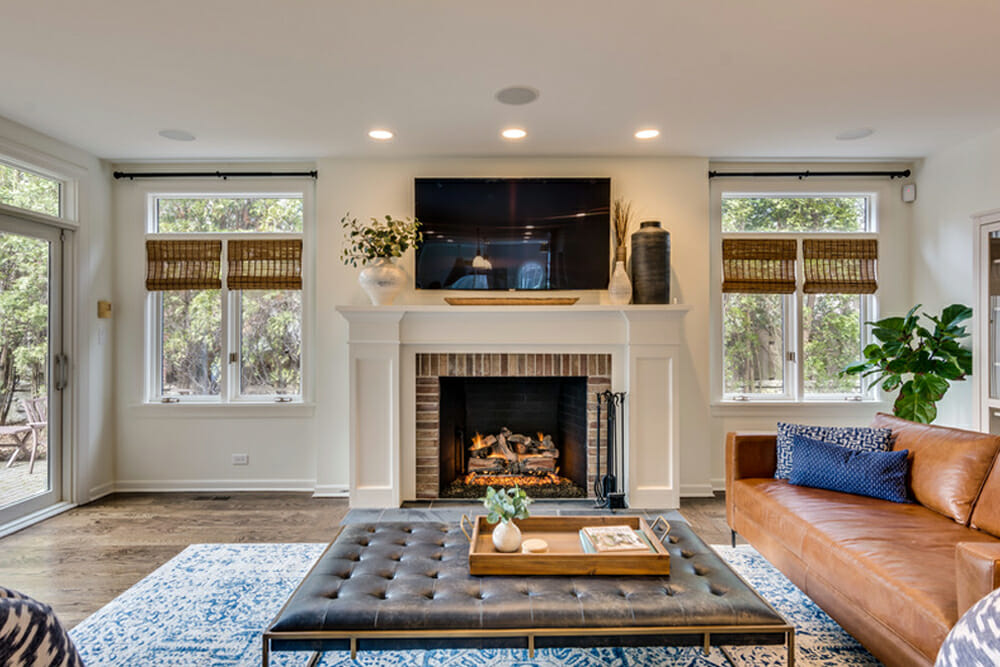
When occupiers focus on optimizing space layout, they can significantly improve the comfort and practicality of their living environments. Deliberate arrangement of furniture and fittings can create an uncluttered, inviting ambiance that promotes freedom of movement. By analyzing the flow of each room, residents can spot unused areas and turn them into useful spaces. For example, merging a kitchen and dining area can foster social activity while maximizing usefulness. Furthermore, adding multi-functional furniture enables flexible uses of space, meeting multiple needs without cluttering. In conclusion, a thoughtful layout not only improves daily living but also adds value to the home, turning it a more pleasant and practical space for relatives and visitors alike.
Choosing Suitable Materials
Opting for cozy fabrics and finishes is necessary for homeowners looking to establish a pleasant setting. The selection of fabrics, textures, and decor elements is essential in improving both aesthetics and feel. Soft, breathable fabrics such as linen or cotton for upholstery can create a calm mood, while plush rugs add warmth underfoot. In addition, using elements from nature such as stone or timber can bring a sense of tranquility to areas. Hues and shades also influence comfort; calm, pale shades usually inspire calm, while bold shades may invigorate the space. Individuals must factor in longevity as well as coziness, ensuring that selected materials hold up to daily wear and tear. Ultimately, a careful choice of comfortable materials is key to achieving an inviting and pleasant feeling within the residence, fostering a sense of well-being.
Customizing the Home
Making a space unique allows individuals to express their personal flair through careful selections in design. By adding particular elements and arrangements, homeowners may establish settings that showcase who they are but also boost practicality. This tailored approach makes certain that every space has a function while remaining aesthetically pleasing.
Distinctive Design Selections
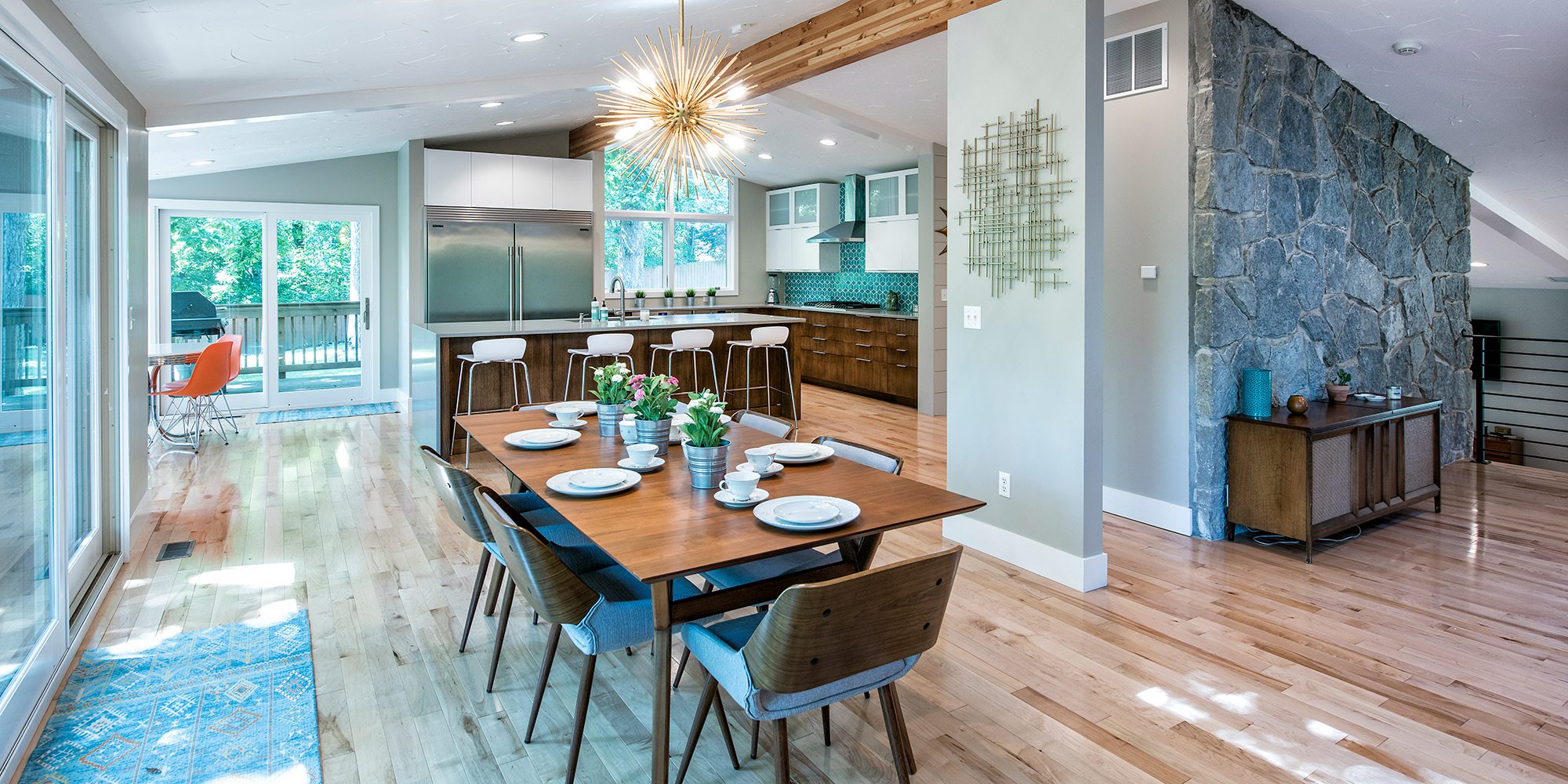
A home serves as a reflection of its owner’s way of life and character, thus requiring individualized design selections for creating a personalized space. Homeowners are able to reflect their unique identity through different features like color schemes, textures, and furnishings. Including unique pieces of art, sentimental antiques, or bespoke elements further improves the uniqueness of the residence. Individualized selections often blend functionality with aesthetics, allowing for a harmonious atmosphere that resonates with the occupants. Regardless of choosing bold statement pieces or subtle accents, these selections help create an welcoming and cozy setting. Finally, making distinctive design decisions transforms a generic space into a true sanctuary, promoting connection and identity that enriches daily living.
Effective Use of Area
Making a home unique involves more than individualized design; it requires maximizing the utility of all parts of the residence. Smart space management guarantees that each square foot is meaningful, boosting both efficiency and comfort. It is helpful for homeowners to review their daily habits to determine where changes are necessary—such as developing open layouts for social gatherings or setting up specialized work areas for working from home. Using furniture that serves multiple purposes, such as storage ottomans or foldable tables, maximizes space without compromising design. In addition, making use of vertical space can declutter and organize living areas. Ultimately, prioritizing functionality does more than just customize a living space but also cultivates a more practical and pleasant atmosphere, suited precisely to the needs of those living there.
Promoting Togetherness and Family Connection
Although home remodeling often focuses on aesthetics and functionality, it can also serve as a catalyst for family bonding and togetherness. By involving family members in the remodeling process, individuals encourage collaboration and communication. Choosing colors, materials, and layouts together creates a shared sense of belonging and shared responsibility.
Areas created for spending time together, like cozy family rooms or open-plan kitchens, create environments conducive to quality explore this topic time. Family members can gather for meals, game nights, or simply to share everyday experiences, which reinforces their bonds. Additionally, remodeling projects can become a shared adventure, involving planning, making decisions, and even the physical work of the renovation.
Ultimately, the transformation of a home extends beyond physical changes; it helps foster relationships within the family. By designing a space that mirrors their shared personality, they create permanent memories that contribute to a more harmonious living environment.
Commonly Asked Questions
How Do I Choose a Contractor for My Remodeling Project
To choose a contractor for a remodeling project, you must compare quotes, interview candidates, review credentials, and read testimonials. Trustworthiness and communication skills are also essential factors for making the right choice.
What Permits Do I Need for Home Remodeling
For remodeling projects, homeowners usually need plumbing, electrical, and building permits, and sometimes zoning permits to complete their remodeling job. Regulations vary by location, so reaching out to city officials or a professional contractor can help verify that you meet standards with all necessary requirements.
What's the Best Way to Determine a Practical Remodeling Budget?
To set a realistic remodeling budget, start by evaluating the size of the project, request quotes from multiple professionals, include the expense of supplies and workforce, and include a contingency fund for unexpected expenses, ensuring financial preparedness throughout the process.
How Long Does a Standard Home Renovation Usually Take?
Usually, home remodeling takes anywhere from a short period to half a year or more. Factors influencing the timeline include the project's scope, complexity, and contractor availability, meaning proper planning is vital for a smooth process.
What Are the Best Ways to Handle Disruption During Renovation?
To manage disruption during remodeling, start by communicating well with the professionals, develop a timeline, arrange temporary accommodations, and be willing to adjust plans. Advance preparation reduces anxiety and enhances the overall remodeling experience.